
Punch Upon a Time squad saga Rules and Format Guide
Punch Upon a Time squad saga is the primary twelve-player party mode where four teams of three battle through rotating objective mini-games. Each squad guards a shared one-hundred health pool until two teams contest the final round.
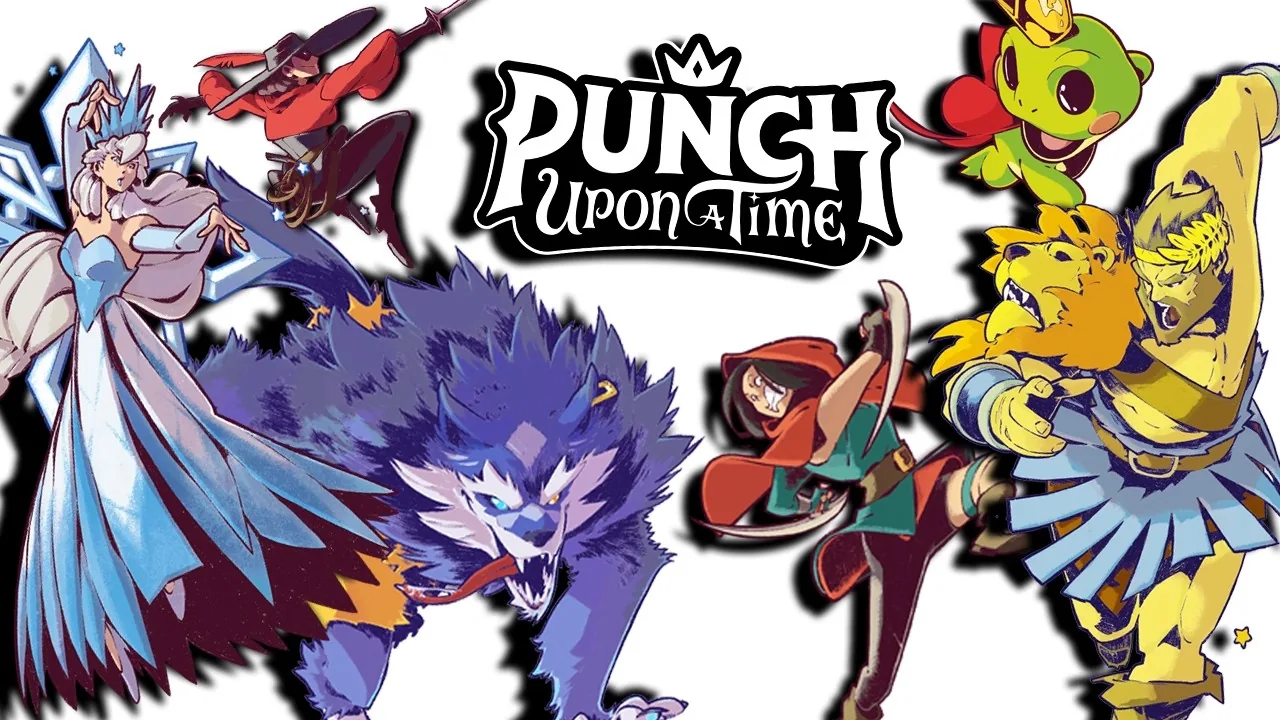
Punch Upon a Time squad saga is the primary twelve-player party mode where four teams of three battle through rotating objective mini-games. Each squad guards a shared one-hundred health pool until two teams contest the final round.
What Is the Squad Saga Format in Punch Upon a Time?
Squad saga is a tournament-style competition where four trios battle through bracketed challenges to be the last squad standing. Built by developer Supersaurus, the format brings twelve participants into an online session supported by rollback netcode. Players queue solo or as a premade group of three, taking on varied platforming objectives, sports variants, and standard combat skirmishes. While standard online queues offer traditional 1v1 matches and custom lobbies, squad saga represents the core multi-stage party loop described on the Steam store page:
"Punch Upon a Time is a team-based Smash-like where you take on rounds of mini-games and combat alongside your friends." — the official Steam store page description
Sessions consist of successive rounds drawn at random from an expansive catalog of activities. When an individual squad falls short of victory in a given challenge, the group takes damage based on their final standing against the other three squads. Competitors who lose all squad health enter a spectator view, where they can watch the surviving groups battle through subsequent rounds. The tournament continues until only two squads remain, prompting a decisive head-to-head finale to crown the winner.
How Do Squad Galleons and Team Health Work?
Sky galleons are floating vessels that represent each trio's shared life total in the competition. Every team begins the match with a full galleon health bar valued at 100 points. Galleon durability does not reset between rounds, meaning early mistakes accumulate as the bracket progresses.
Health penalties apply directly after round results are tallied:
- First-place finishes preserve team health without penalty.
- Second-place placements incur small health reductions.
- Third-place and fourth-place finishes deduct larger portions of galleon life.
When a galleon reaches zero health, that squad faces elimination from active play. Discussions on the Steam community hub highlight that matchmaking queues require twelve players to begin a public session, making team coordination and health preservation relevant from the opening bell.
Hub Preparations and Pocket Item Selection
The sky galleon hub is an intermission zone where teammates rest, review upcoming matchups, and pick equipment before the next round. Between active events, squads assemble on the deck of their airship to practice inputs, test attacks, or coordinate roles. During specific intermissions, the hub prompts each player to choose a pocket item to carry into the field.
Pocket items act as personal reserves that players summon during matches using the upward directional pad or taunt input. Each summonable item carries specific combat properties, providing utility in both team sports and elimination brawls.
| Pocket Item | Tactical Role in Rounds | Operational Limitation |
|---|---|---|
| Pretty Great Sword | Delivers wide melee hitboxes during close-range team brawls | Drops to the floor if the wielder takes heavy hitstun |
| Homing Rocket | Provides ranged projectile harassment across large stages | Offers limited uses per round before requiring a reset |
| Bear Trap | Secures goal lines and flags by pinning incoming runners | Demands advance ground placement before opponents arrive |
Summoned items refresh at the start of new rounds, giving each member a consistent tactical option. Teammates frequently distribute these tools according to individual playstyles and character attributes.
Which Mini-Games Appear Across Squad Saga Rounds?
Game modes in squad saga are objective-driven challenges drawn from a pool of more than forty distinct variants. Some rounds require all three teammates to fight alongside one another, while other rounds divide squads into parallel duels or free-for-all stages. Learning how to play each variant allows groups to adapt rapidly to changing win conditions.
Standard match types include:
- Long Live the King: Each squad designates a monarch with three stocks, and opponents win by defeating the opposing leader.
- Red-Light-Green-Light: Competitors attack rivals on green signals, but all movement and attacks must halt when the stoplight turns red.
- Bubble Tag: Hitting an enemy traps them inside a floating bubble, while popping a captured ally frees them back into the fight.
- Pearl Plunder: Players break giant clams, gather loose pearls, and push collection carts into team scoring zones.
- Musical Chairs: Contenders brawl while music plays, racing to land on a limited set of chairs the moment audio stops.
- Escape Room: Contestants break stage pawns to uncover keys, carrying them to an exit doorway before rivals escape.
- Sports Variants: Squads compete across basketball, volleyball, soccer, hockey, and fastball arenas with altered physics.
Squad Strategy and Match Selection
Match selection platforms are interactive staging areas inside the hub where players step onto specific podiums to lock in their assignments. When squad saga presents split brackets, teams must choose who participates in 1v1 showdowns, 2v2 skirmishes, or three-player free-for-alls.
Selected characters dictate positioning on these platforms. Agile brawlers frequently take on solo evasion tasks like musical chairs or fastball duels, while heavy fighters contest capture zones and king defense. By assigning the appropriate specialist to each simultaneous challenge, squads mitigate health loss, outlast rival galleons, and secure their place in the final showdown.
Next step
Custom Lobbies
Configure private match rules, enter lobby room codes, and adjust random stage selection pools for custom multiplayer games.
Related Guides
Punch Upon a Time Basketball: How to Score and Win; Punch Upon a Time Long Live the King Mode Guide