
Punch Upon a Time Red Light Green Light Guide
Punch Upon a Time red light green light is a Squad Saga elimination mode where players must freeze all controller inputs whenever the stoplight switches to red. Fighters clash across floating platforms, using pre-buffered attacks and grabs to knock moving rivals out of stocks.
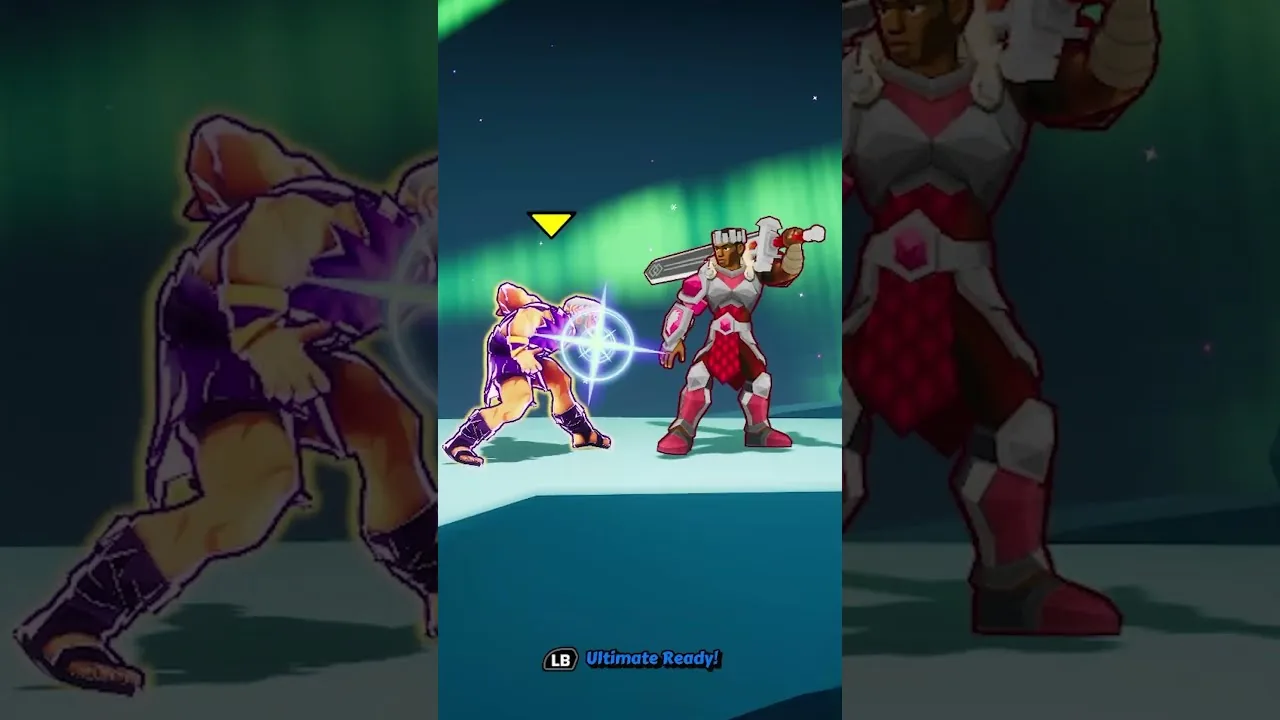
Punch Upon a Time red light green light is a Squad Saga elimination mode where players must freeze all controller inputs whenever the stoplight switches to red. Fighters clash across floating platforms, using pre-buffered attacks and grabs to knock moving rivals out of stocks.
Developer Supersaurus built this encounter as one of more than forty rotational minigames featured on the official Steam store page. The studio highlights the party-fighter design with the following overview:
"Assemble a squad of the biggest fairy tale names to punch, dunk, fly, score, and sumo your way to victory as the LAST TEAM STANDING." — Supersaurus on the Steam store page
How Does the Stoplight Mechanic Work in Punch Upon a Time?
Stoplight phases are timed combat signals that dictate whether active inputs result in standard actions or immediate stock loss. During the green signal, combat operates under standard platform fighter rules, allowing movement, jump recoveries, aerial combos, and specials. The yellow signal serves as a brief warning window where players can finish grounded swings, retreat to stable ground, or throw held items.
As soon as the red signal appears on screen, any pressed button or analog stick input triggers instant defeat for that stock. Neutral physics continue to operate while the red light remains active. If a fighter is airborne and falling when the signal switches, the character continues drifting along that downward trajectory without penalty, provided the controller remains untouched. Entering a double jump, air dodge, or directional influence immediately registers as an active input and eliminates the player.
What Strategies Secure Knockouts During Red Light Sequences?
Attack buffering is an input technique where a fighter commits to a long animation prior to the red signal to strike stationary opponents safely. When an attack command such as a forward smash is executed during the final moments of yellow, the entire animation plays through the red phase. Because the button was pressed before the light turned red, the game does not penalize the swinging player. Opponents caught in the path of the hit cannot input a shield or directional dodge without dying to the stoplight referee.
Grabs function with high efficiency as the warning phase concludes. A grab initiated right before the red freeze holds the opponent in place while locking them out of defensive counter-play. Command grabs and throws launched near stage edges send enemies flying outward into the blast zones. Players defending against aggressive pushes frequently hold their shield through the light transition, letting passive guarding block incoming blows while avoiding new controller presses.
Tactical choices in this encounter balance immediate offensive pressure against the risk of entering an accidental input:
| Option | Best For | Resource Trade-Off |
|---|---|---|
| Pre-Buffered Forward Smash | Striking stationary targets during signal shifts | Missed swings leave the character exposed to close-range attacks |
| Pre-Signal Grab and Throw | Forcing rivals into blast zones offstage | Requires close positioning before the freeze occurs |
| Guarding in Shield | Absorbing projectiles and stray hits while frozen | Depletes shield durability and risks shield stun |
Best Tactics for Neutral Control and Item Usage
Ultimate abilities alter how teams control space when the playfield freezes. Firing a wide-range ultimate projectile across the stage forces opposing squads into an impossible situation, as moving out of the attack area results in a penalty death while standing still leads to direct knockback. Saving charged meter specifically for the yellow-to-red transition creates consistent knockout opportunities.
Arena hazards and pick-ups add further spatial pressure. Placing a mine, throwing a holy hand grenade, or firing a projectile right as the countdown begins forces opponents to absorb damage or jump. When competing across characters such as the frog prince, close-range brawlers must secure center-stage positioning early. Floating on high platforms reduces the chance of getting clipped by stage hazards or rolling bombs thrown from below.
Managing Team Lives and Platform Positioning
Round survival in squad saga depends on stock conservation across the entire three-player unit. Because squad health pools drop when teammates lose stocks, avoiding unnecessary deaths during red signals preserves ship durability for later stages. Community discussions documented on the official Steam community hub highlight that players who rush into multi-man brawls near platform edges frequently fall victim to stray hitboxes.
Mastering how to play around the stoplight comes down to trigger discipline. Releasing the control stick entirely during red phases prevents accidental drift inputs, while keeping an eye on the stage environment ensures your fighter remains on solid ground until green signals return.
Next step
Squad Saga Mode
Review the complete rules, hub stages, pocket items, and challenge types in the twelve-player squad saga mode.
Related Guides
Punch Upon a Time 1v1 Showdown Rules and Match Guide; Punch Upon a Time Basketball: How to Score and Win
1v1 Showdown Guide
Review 1v1 Showdown rules, stock management, ledge recovery tricks, and top matchup tactics to defeat opponents in direct platform fighter duels.
Basketball Mode
Master the basketball mode in Punch Upon a Time with these essential tips on scoring, movement, and teamwork for your squad.